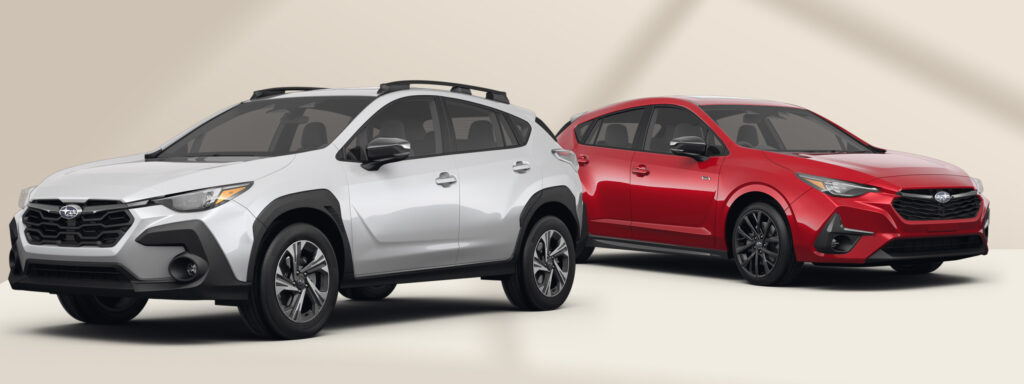
Tailgating season brings out a very specific set of needs in a vehicle. You want cargo space for coolers and folding chairs, enough ground clearance to handle a grass lot after rain, and a ride that will not leave you white knuckled if the weather turns. This is exactly where a used Subaru Crosstrek starts to make a lot of sense, especially compared to a traditional hatchback that looks similar on paper but behaves very differently once the pavement ends.
At Own A Car in Fresno, we talk to a lot of shoppers who come in set on a hatchback because they like its size, fuel economy, and ease of parking. Those are all fair reasons. But once we start talking about what people actually do with these vehicles, tailgating trips, camping weekends, occasional snow runs up to the mountains, the conversation almost always shifts toward the used Subaru Crosstrek. It gives you the footprint of a hatchback with a lot more capability layered underneath.
Is a Used Subaru Crosstrek Better for Snow and Camping Than a Standard Compact Hatchback?
In most real-world scenarios, yes. A used Subaru Crosstrek is built specifically to handle the conditions that give standard compact hatchbacks trouble, loose gravel, muddy campsites, light snow, and uneven parking areas at tailgates and trailheads. The two biggest reasons come down to ground clearance and drivetrain, and both are worth understanding before you decide which body style actually fits your life.
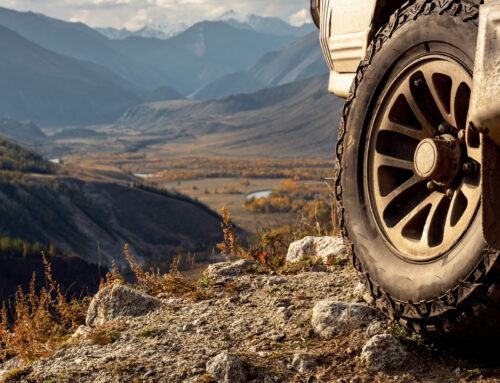
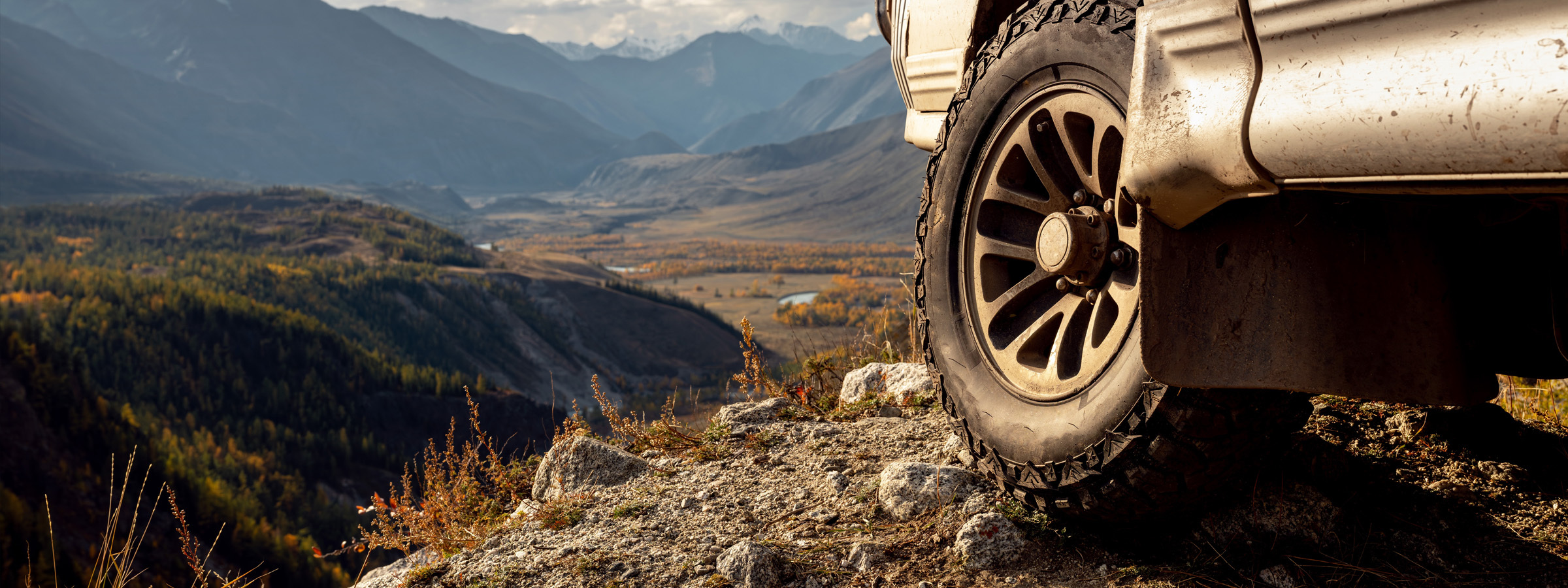
A traditional hatchback is tuned for pavement. That is not a knock against it, it is simply the design goal. Lower ride height improves handling and aerodynamics on the highway, which is great for a daily commute. But that same low stance becomes a liability the moment you turn off onto a grass field for a tailgate or a dirt road leading to a campsite. Scraping a front bumper or getting stuck in soft ground is a common complaint among hatchback owners who try to use their car for anything beyond city and highway driving.
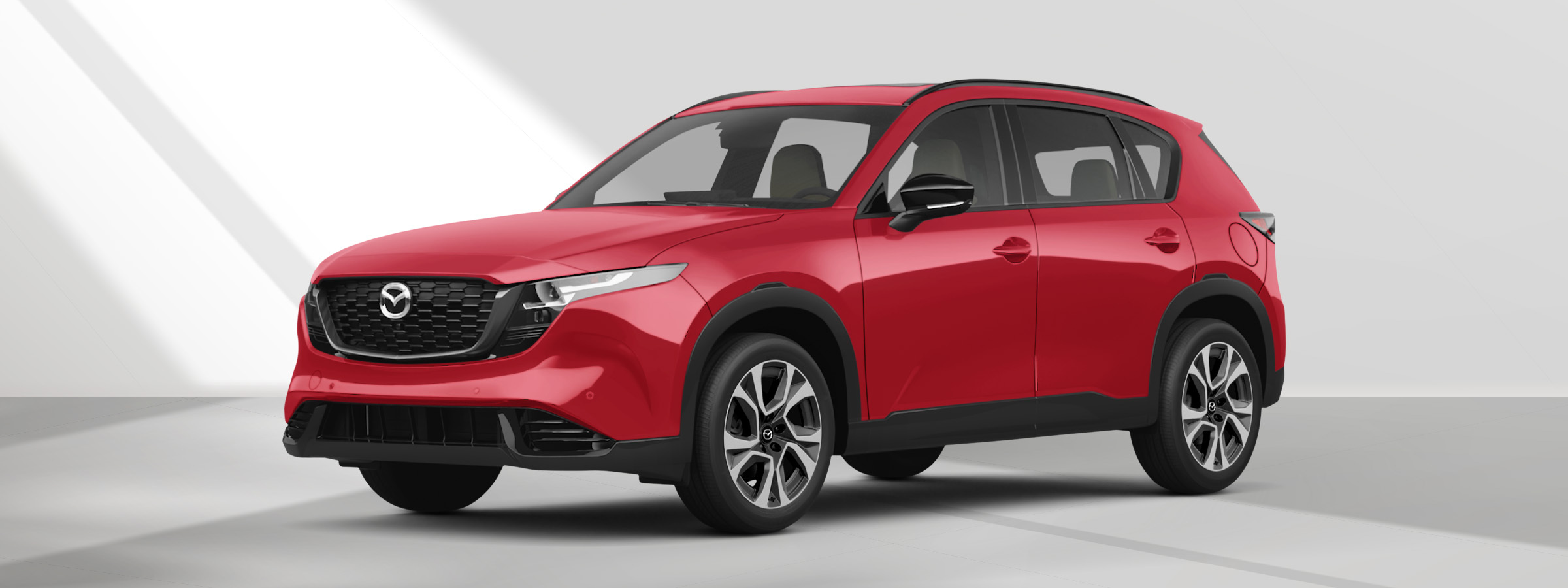
Used Subaru Crosstrek
The Crosstrek was engineered around the idea that a compact car should not have to give up capability to stay practical. A few specs explain why it holds up so well outside of typical commuter conditions.
Ground clearance: 8.7 inches. That is close to what you would find on many compact SUVs, and it is a significant jump over the 5 to 6 inches typical of most hatchbacks. Those extra few inches matter more than people expect. They are the difference between confidently pulling into a rutted parking area at a tailgate and creeping in worried about your front splitter.
Standard symmetrical All Wheel Drive. Unlike many competitors that only offer All Wheel Drive as an option or restrict it to higher trims, Subaru builds symmetrical AWD into every Crosstrek. The system sends power to all four wheels at all times, which improves traction on wet grass, gravel, light snow, and the unpredictable terrain you run into during tailgate season and camping trips alike.
Put those two things together and you get a vehicle that behaves like a hatchback in the city, easy to park, easy to maneuver, reasonable on gas, but does not flinch when the terrain gets messy.
What Makes a Used Crosstrek a Good Fit for Tailgating?
Tailgating is a strange mix of practical needs. You are hauling gear, but you are also parking in fields, lots, and overflow areas that were never designed with low riding cars in mind. A used Crosstrek checks several boxes at once.
Cargo space is generous for the vehicle’s size. The rear seats fold flat, which gives you room for coolers, folding tables, chairs, and tents without needing a roof rack for every trip. The raised ride height also means you are not scraping the underside pulling in and out of grass lots, and the AWD system gives you peace of mind if the lot turns muddy from rain or heavy foot traffic throughout the day.
There is also the matter of using the vehicle as a home base. Owners often talk about tailgating out of the back hatch, using it as shade, a serving counter, or extra seating. The Crosstrek’s roofline and hatch design make this easy, similar to what you get with a traditional hatchback, but with the added benefit of a vehicle that will not struggle to get you there in the first place.
How Does the Crosstrek Compare to a Traditional Hatchback for Everyday Driving?
This is where a lot of buyers assume they will be giving something up. In practice, the gap is smaller than most people expect.
Fuel economy on a used Crosstrek is close to what you get from many compact hatchbacks, especially in the CVT equipped model years, which make up the majority of the used market. You are not looking at the fuel economy of a body-on-frame SUV, this is still a compact platform underneath.
Parking and maneuverability are also comparable. The Crosstrek’s footprint is close to a typical hatchback, so it does not feel like driving a larger vehicle around Fresno streets or in a crowded parking lot. Drivers moving from a hatchback into a Crosstrek usually adjust within a day or two, since the driving position is only slightly higher and the overall dimensions are not far off.
Where the two diverge is stability in bad weather and confidence off the beaten path. A hatchback with front wheel drive can struggle on wet roads or light snow, particularly on acceleration. The Crosstrek’s standard AWD reduces wheel slip in those situations, which matters if you are making trips up to the mountains for camping or dealing with the occasional Central Valley fog and rain during winter months.
What Should You Look for When Buying a Used Subaru Crosstrek?
Not every used Crosstrek on the market is in the same condition, so a few checkpoints are worth going through before you commit.
Start with the model year and trim, since Subaru has made small but meaningful updates to the Crosstrek over the years, including infotainment upgrades and small changes to suspension tuning. A vehicle history report will tell you if the car has been in any accidents, which is especially important given that some Crosstrek owners do take these vehicles off pavement regularly.
CVT health is another item worth checking, since Subaru’s continuously variable transmission has had documented issues in certain model years. Ask about maintenance records, and if possible, have a trusted mechanic look over the car before you finalize the purchase. This is standard advice for any used car, but it is particularly relevant here since a CVT repair can be a costly surprise if skipped.
Tire condition matters more with a Crosstrek than it does with many other used cars, since a big part of its trail and snow capability comes down to having tires that are actually up to the task. If the tires are worn down, budget for a replacement set to get the full benefit of the AWD system.
Is a Used Crosstrek a Good Value Compared to Buying New?
Buying used is where the Crosstrek’s value proposition becomes even more compelling. Subaru vehicles in general hold their value well, but that also means used pricing reflects genuine demand rather than a car nobody wanted. The upside for buyers is that a well maintained used Crosstrek gives you nearly all the capability of a new model at a considerably lower price point.
This matters most for buyers who want a vehicle for occasional trips, tailgates a few times a season, a camping trip here and there, rather than daily off-pavement driving. You are not paying for capability you will not use, and you are not stuck with hatchback limitations when your plans call for more.
Final Thoughts
If you are shopping for hatchback cars because you like the size and simplicity, it is worth taking a look at a used Subaru Crosstrek before you sign anything. You get a similar footprint, comparable fuel economy, and easy day to day driving, but with the ground clearance and standard AWD to handle tailgates, campsites, and the occasional snowy mountain drive without a second thought.
Check out used Subaru Crosstrek models for sale at Own A Car in Fresno, or view our complete pre-owned Subaru lineup to compare trims and model years side by side. Our team can walk you through vehicle history, maintenance records, and financing options so you can find the right used Subaru for the way you actually use your car.