
Top Used Cars for Uber, Lyft, and DoorDash: Balancing Fuel Economy, Reliability, and Depreciation
If you’re thinking about driving for Uber, Lyft, or DoorDash, the vehicle you choose will make or break your earnings. The wrong car drains your profits through poor fuel economy, frequent repairs, or rapid depreciation. The right one becomes a low-overhead tool that pays for itself over time. Whether you’re scanning listings for a used car for sale or you already have something in mind, this guide breaks down exactly what to look for and which models hold up best under the demands of gig driving in Fresno.
What Should You Look for in a Used Car for Rideshare or Delivery?
Before diving into specific models, it helps to understand the framework gig drivers use when evaluating a vehicle. This isn’t like buying a weekend car. You’ll be putting 30,000 to 50,000 miles on it per year in some cases, so every decision compounds quickly.
Fuel economy is the most obvious factor. City driving for DoorDash involves constant stop-and-go, which punishes thirsty engines. Rideshare routes vary more, but you’re still idling, creeping through traffic, and making short trips that never let the engine warm to peak efficiency.
Reliability and repair costs matter even more than mpg in the long run. A car that gets 35 mpg but spends two weeks in the shop every three months will cost you far more than a 28-mpg vehicle that never misses a beat. Look for makes with strong long-term owner satisfaction and affordable, widely available parts.
Depreciation is the hidden cost most new gig drivers overlook. Buying a car that has already absorbed its steepest depreciation drop means you lose less money the moment you drive off the lot, and you’ll recoup more if you sell it after a year or two of heavy use.
Passenger capacity and comfort matter for Uber and Lyft in particular. Uber XL requires a vehicle that seats at least six, which rules out most sedans and compact SUVs entirely.
Cargo space is the priority for DoorDash and other delivery services. You don’t need back seats that impress riders, but you do need room for insulated bags, stacked orders, and the occasional oversized item.
With those criteria in mind, here’s how the best options break down by use case.
Which Used Cars Are Best for Rideshare Driving?
Best for Uber XL
Uber XL requires a minimum of six seats, which immediately narrows your options to minivans, full-size SUVs, and three-row crossovers. The good news is that several of the strongest XL candidates hold up exceptionally well under high mileage.
The Toyota Sienna is widely considered the gold standard for Uber XL. It seats eight, offers hybrid variants that return real-world city fuel economy well above most SUVs, and has a Toyota reliability record that makes long-term ownership predictable. Own A Car in Fresno currently carries a Toyota Sienna in inventory, making it a practical option to test in person.
The Honda Odyssey is another minivan worth serious consideration. It shares the Sienna’s general footprint and reputation for longevity, and it tends to carry a slightly lower price point on the used market. Own A Car stocks a Honda Odyssey as well.
For drivers who prefer an SUV over a minivan, the Chevrolet Traverse and Kia Telluride are both strong contenders. The Traverse offers three rows of seating in a more traditional SUV shape, and Own A Car has multiple Traverse units across recent model years. The Telluride has earned some of the highest long-term owner satisfaction scores in its segment and tends to hold value, though that also means higher used prices. Own A Car does stock the Telluride if that’s the direction you’re leaning.
Keep in mind that for XL, you’re weighing fuel costs against earning potential. XL fares are meaningfully higher than standard UberX rates, so a vehicle that costs slightly more to fuel can still come out ahead if the larger passenger capacity lets you qualify for premium trips.
Best for Standard UberX and Lyft
For standard rideshare, a clean, well-maintained sedan or compact SUV in good mechanical shape is all you need. The emphasis here shifts toward fuel economy and interior comfort, since passengers will be evaluating your rating based on the experience inside the car.
The Toyota Camry is a consistent favorite among rideshare drivers for good reason. It’s smooth, quiet, comfortable for rear passengers, easy to maintain, and widely available on the used market at prices that have already absorbed significant depreciation. Own A Car carries several Camry units across multiple model years, giving you flexibility on price and mileage.
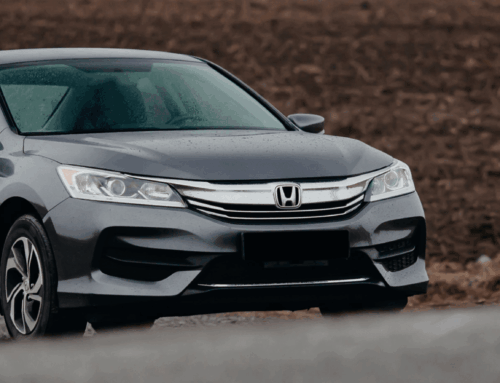
The Honda Accord is in the same tier. It offers a slightly sportier feel than the Camry, strong fuel economy from its four-cylinder variants, and a spacious rear seat that passengers appreciate. Multiple Accord units are available at Own A Car.
The Hyundai Sonata deserves a mention here because it often delivers Camry-level comfort and reliability at a lower entry price. The Sonata Hybrid variant is particularly appealing for drivers who spend a lot of time in city traffic, where the hybrid system does most of its best work. Own A Car stocks several Sonata units, including Hybrid models.
Which Used Cars Are Best for Delivery Driving?
Best for High-MPG City Delivery
DoorDash, Uber Eats, and Instacart routes are almost entirely stop-and-go driving in tight urban and suburban areas. This is the environment where fuel efficiency matters most and where a hybrid system pays back its premium fastest.
The Toyota Corolla Hybrid is an outstanding choice for city delivery work. It’s compact enough to navigate parking lots and strip mall drive-throughs easily, it’s exceptionally fuel efficient in city conditions, and it carries Toyota’s long-term reliability reputation. Own A Car has multiple Corolla units in inventory, including Hybrid variants.
The Honda Civic is another excellent option. Non-hybrid Civic models still return strong fuel economy in city driving thanks to efficient naturally aspirated four-cylinders, and they’re among the cheapest vehicles to maintain when repair time does come around. The Civic’s compact footprint is a real advantage in heavy traffic. Own A Car stocks several Civic units.
The Nissan Sentra and Nissan Versa are both worth a look if upfront cost is a priority. They won’t match a Civic or Corolla on refinement, but they deliver solid fuel economy, low cost of ownership, and are widely available at prices that leave more room in your budget. Own A Car carries Sentra and Versa units across multiple model years.
For drivers who want something with a bit more cargo room without sacrificing too much on fuel economy, the Honda HR-V and Kia Sportage fill that gap well. Both offer practical cargo areas, manageable fuel costs, and enough interior flexibility to handle delivery bags and equipment. Own A Car has both models in inventory.
Best for High-Volume or Oversized Delivery
Some delivery drivers work multiple apps simultaneously or take on furniture, appliance, or large grocery orders that require genuine cargo capacity. For that kind of work, the calculus shifts away from pure mpg and toward utility.
The Honda CR-V is a natural fit. It offers a class-competitive cargo area, flexible rear seating, and fuel economy that remains reasonable despite the extra utility. Toyota’s RAV4 Hybrid takes that formula further by pairing the same utility with a hybrid powertrain that genuinely improves city fuel economy. Own A Car carries both the CR-V and the RAV4 Hybrid.
Drivers who need maximum cargo volume at a lower price point sometimes gravitate toward minivans used for delivery rather than passengers. A used Chrysler Pacifica or Chrysler Voyager offers more cargo room than almost any crossover, and used examples have come down considerably in price. Own A Car has both models available.
How Do You Think About Depreciation When Buying a Gig Vehicle?
This is where a lot of new drivers leave money on the table. A brand-new car depreciates sharply in its first two to three years. A used car for sale that is two to four years old has already absorbed that hit, and you get a vehicle that is functionally modern without paying the new-car premium.
The general principle is this: buy used and drive it hard, but don’t buy so old that you’re inheriting someone else’s deferred maintenance. A vehicle with 40,000 to 80,000 miles from a brand known for long-term reliability will usually land in the best value window. It has enough documented history to give you confidence, but still has 100,000 or more miles of useful life ahead of it with proper care.
Hybrid vehicles are a special case. Used hybrids sometimes carry a stigma around battery life, but the reality is that the Toyota and Honda hybrid systems in particular have proven remarkably durable. Vehicles like the Corolla Hybrid, Camry Hybrid, and RAV4 Hybrid regularly hit 200,000 miles without battery issues when maintained properly. Buying one at 60,000 to 80,000 miles often means getting the best years of its hybrid life while paying a fraction of the original price.
Electric vehicles are worth a brief mention. Own A Car stocks Tesla Model 3 and Model Y units. The economics of running an EV for delivery or rideshare depend heavily on your home charging setup and route length. If you have reliable overnight charging access, the per-mile operating cost of a used Tesla is extremely competitive. If you rely on public charging, the equation changes and fast charging fees can eat into your savings quickly.
What Else Should You Check Before Buying a Gig Car?
A few things worth verifying before any purchase in this category. First, check the Uber and Lyft vehicle requirements for your market. Both platforms have model year cutoffs and condition standards, and the requirements can vary by city. Fresno is a standard market, but confirm the current year thresholds before committing to an older vehicle.
Second, have the car inspected by an independent mechanic before you buy it. For gig work, you need a vehicle that is starting from a clean mechanical baseline, not one where you’ll be chasing repairs in the first six months.
Third, check insurance costs before you finalize anything. Rideshare insurance or a TNC endorsement is required if you’re driving for Uber or Lyft, and it adds to your monthly overhead. Some makes and models are cheaper to insure than others, and that difference is worth factoring into your total cost of ownership calculation.
Own A Car at 5788 N Blackstone Ave in Fresno has a strong selection across nearly every category discussed above, from fuel-efficient sedans to three-row SUVs and hybrid crossovers. If you’re ready to start driving, the right used car for sale is likely already on the lot.
FAQ
What is the most reliable used car to buy for driving Uber XL or DoorDash?
For Uber XL, the Toyota Sienna is the most consistently recommended option due to its eight-passenger capacity, hybrid fuel efficiency, and long-term reliability. For DoorDash, the Toyota Corolla Hybrid or Honda Civic give you the best combination of low operating costs and durability for city driving.
Is it better to buy a hybrid or a regular gas car for rideshare?
For city-heavy driving like DoorDash, a hybrid delivers a clear advantage because the regenerative braking system captures energy during stop-and-go driving where a gas engine would waste it. For highway-heavy rideshare routes, the gap narrows, and a reliable gas vehicle may offer a lower entry price that improves your overall return.
How many miles is too many on a used car for gig work?
As a general guideline, vehicles under 80,000 miles from brands like Toyota, Honda, Hyundai, and Kia still have most of their useful life ahead of them. Well-maintained examples of these brands regularly exceed 200,000 miles. Avoid vehicles with obvious deferred maintenance regardless of mileage.
Does Uber or Lyft have minimum vehicle requirements?
Yes. Both platforms require vehicles to meet model year minimums, which vary by city and change over time. Check the current requirements for Fresno directly on the Uber and Lyft driver portals before purchasing a vehicle specifically for rideshare.